


60% of Consumers Want Easier Access to Self-Service Solutions
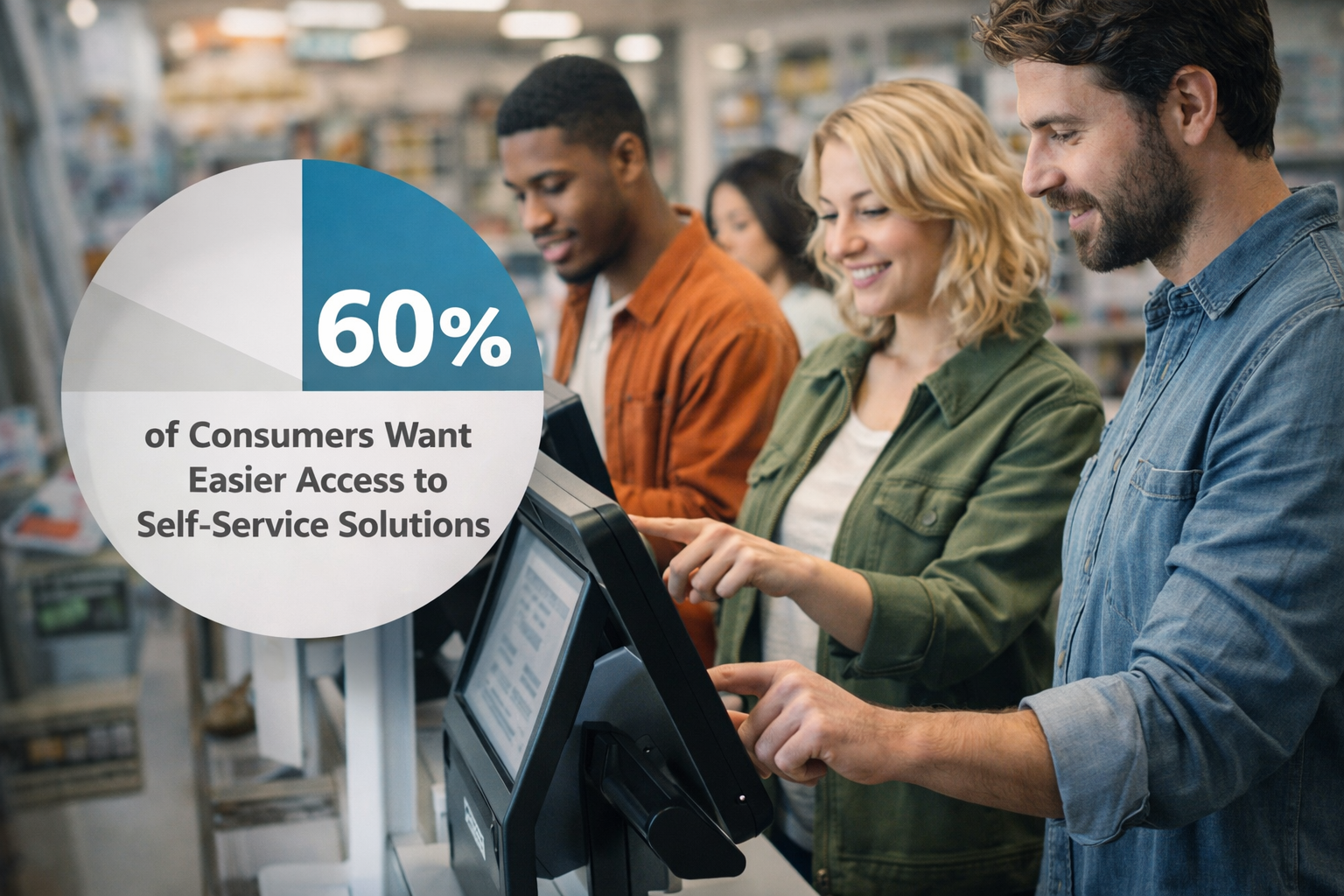
As we navigate a rapidly changing retail landscape, understanding consumer desires is paramount. Recent research indicates that a significant 60% of consumers are demanding more accessible self-service solutions. This shift is not merely a trend but a reflection of a deeper need for speed, convenience, and independence when resolving issues. As digital experiences evolve, the importance of integrating intuitive self-service tools becomes increasingly apparent for businesses striving to enhance customer satisfaction and operational efficiency.
The Shift Towards Self-Service Solutions
Consumers today are less willing to endure long waits for assistance or deal with complex customer service processes. They expect quick, efficient resolutions at their fingertips. This shift has resulted in a surge in demand for user-friendly self-service tools that empower customers to manage their needs independently. From accessing product information to troubleshooting issues, self-service options provide the autonomy that modern consumers seek.
Why Self-Service Matters
Self-service solutions offer several benefits for both consumers and businesses:
1. Speed and Efficiency
In an age where time is of the essence, customers appreciate immediate access to solutions. Innovative self-service tools can resolve common issues almost instantaneously, ensuring that shoppers feel valued and catered to without unnecessary delays.
2. Enhanced Customer Experience
When customers can troubleshoot issues or answer questions without engaging with support staff, it creates a more positive shopping experience. They can navigate their inquiries at their own pace, leading to greater satisfaction and loyalty.
3. Cost Savings for Businesses
Investing in self-service technology not only boosts customer gratification but can also yield significant cost savings. By reducing the burden on support teams for minor queries, businesses can redirect their resources toward more complex customer needs and high-value services.
VenHub's Response to Consumer Expectations
At VenHub, we recognize the growing demand for self-service solutions in retail. Our autonomous Smart Stores are designed to enhance customer experiences through seamless self-service capabilities. Consumers can leverage our mobile app to quickly browse inventory, place orders, and receive products—thus embodying the very essence of convenience and efficiency.
Integrating Self-Service in Retail
VenHub’s approach to self-service is multifaceted:
Mobile Ordering and Interaction
Our Smart Stores allow customers to interact directly through their smartphones or interactive displays within the store. This technology ensures that shoppers can access product information and inventory availability effortlessly.
Real-time Inventory Management
Through AI-driven inventory systems, customers can witness real-time stock availability, minimizing frustrations over out-of-stock items and enhancing their overall shopping experience.
Contactless Transactions
VenHub’s autonomous stores champion safety by facilitating contactless transactions. Customers can complete their purchases without needing to stand in line, ensuring a quick and efficient exit.
Future Trends in Self-Service Solutions
The future of retail will undeniably lean more heavily on self-service options as consumers continue to prioritize convenience. With advancements in technology, we can anticipate even greater personalization and refinement in self-service tools—making it easier than ever for consumers to have their needs met without traditional barriers.
Final Thoughts: Embracing Change with VenHub
As 60% of consumers express a desire for easier access to self-service solutions, businesses must take proactive steps to meet this expectation. VenHub is at the forefront of this shift, creating innovative, intuitive, and automated retail experiences that respond to modern consumer needs. By investing in self-service solutions, businesses not only enhance customer satisfaction but also bolster their operational efficiency, ultimately ensuring long-term success in an increasingly competitive landscape.


.png)