


71% of consumers want to use self-checkout
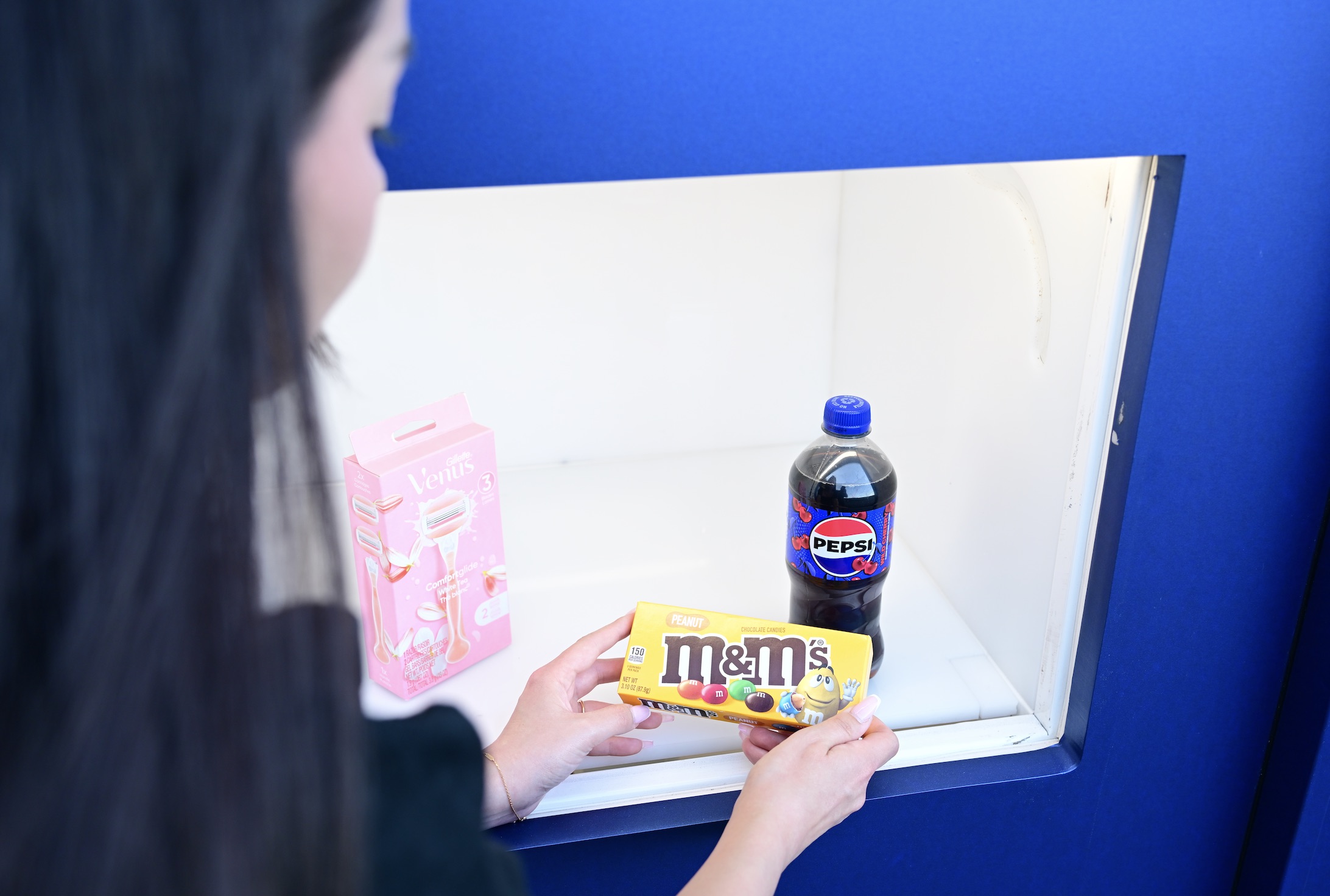
As consumer habits evolve, a resounding 71% of shoppers now express a strong preference for self-checkout systems, indicating a significant shift towards autonomy in retail. This trend isn't just a fleeting response to convenience; it marks a profound change in how consumers want to engage with stores, especially as the number of locations offering these systems is projected to triple by 2027, growing from 46,000 to an astonishing 160,000. Though the demand for self-checkout is gaining traction worldwide, it is especially notable within the retail landscapes of Europe and the United States.
The Rise of Self-Checkout Systems
The self-checkout movement is primarily driven by retailers aiming to enhance the shopping experience while simultaneously cutting labor costs. But it’s not just about saving money; it's about empowering customers. Shoppers appreciate the speed and control that come with self-checkout, which allows them to manage their transactions without waiting in line. This evolution helps meet the growing consumer expectation of convenience, particularly in fast-paced environments like urban centers and college campuses.
How Self-Checkout Systems Work
Most self-checkout systems are designed to be user-friendly. Shoppers scan items, pay using various methods, and bag their purchases — all at their own pace. This ease of use encourages more foot traffic as consumers seek out stores that provide frictionless shopping experiences. The introduction of mobile payment options further enhances the appeal, allowing customers to complete transactions using their smartphones, thereby integrating digital convenience with in-store shopping.
Benefits for Retailers
From a retailer's perspective, the benefits of self-checkout systems are clear:
1. Reduced Labor Costs
By minimizing the number of cashiers required, retailers can significantly reduce payroll expenses. The savings gained through this model can be redirected toward enhancing store technology and improving customer service.
2. Increased Transaction Speed
Self-checkout systems can process transactions faster than traditional tills, effectively reducing wait times in stores. This speed can lead to improved customer satisfaction and, ultimately, increased sales as more customers are able to complete their shopping with minimal disruptions.
3. Enhanced Customer Control
Shoppers enjoy the empowerment that comes with managing their checkout process. This control can lead to greater customer loyalty, as satisfied shoppers are more likely to return to stores that prioritize their needs.
Self-Checkout and Security Considerations
Despite the advantages of self-checkouts, retailers face security challenges. Theft and fraud can become more significant issues in unattended checkout scenarios. However, advancements in technology, such as AI-driven monitoring systems and analytics, can help mitigate these risks. By integrating robust security measures, retailers can protect their assets while enjoying the efficiencies of self-checkout.
VenHub’s Role in the Self-Checkout Revolution
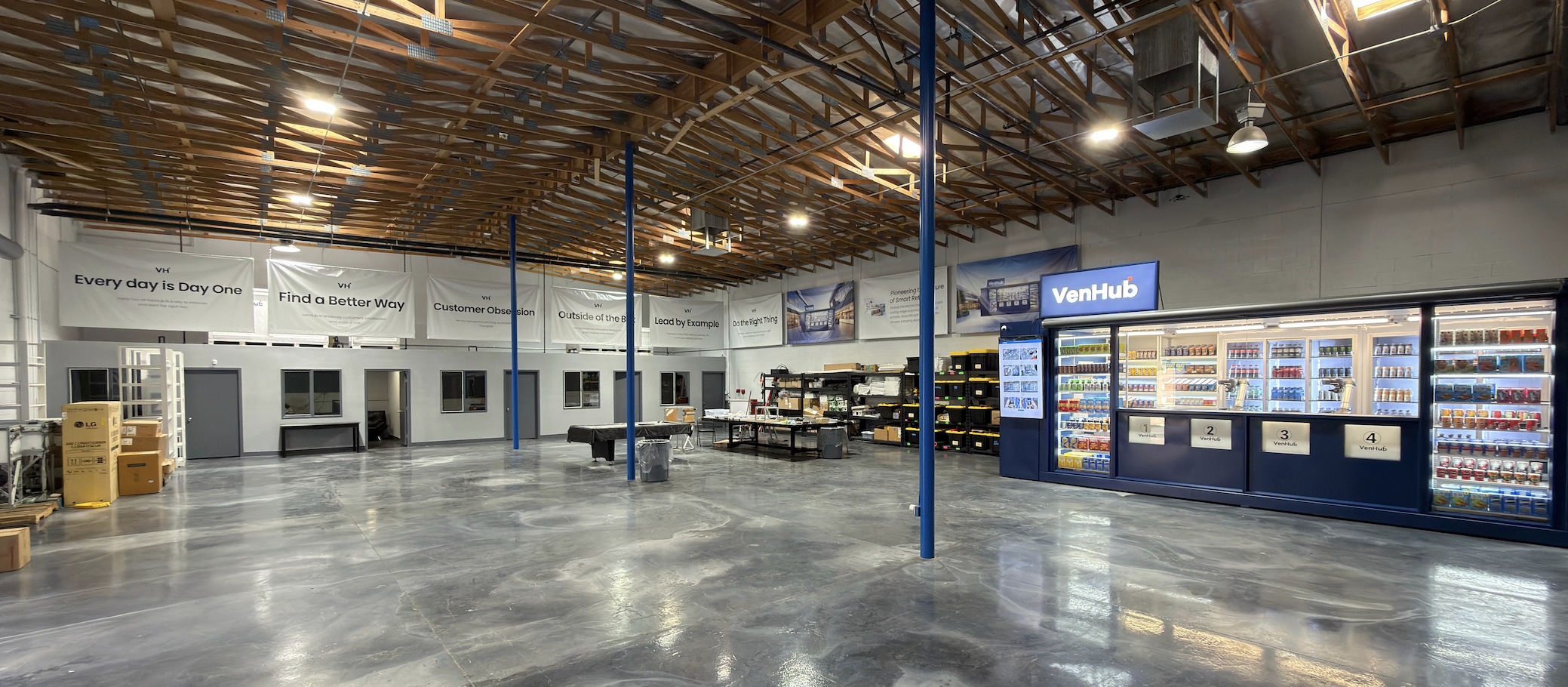
As companies adapt to changing consumer preferences, VenHub stands at the forefront of the retail revolution with its autonomous, AI-driven Smart Stores. These unattended retail solutions align with the self-checkout movement, combining robotics and contactless payment systems that resonate with the growing desire for convenience. By optimizing store management and eliminating traditional checkout barriers, VenHub Smart Stores not only address labor cost challenges but also enhance the shopping experience, perfectly aligning with the self-checkout trend.
Looking Ahead: The Future of Self-Checkout
The expected growth in self-checkout systems reflects a broader shift towards autonomous retail solutions. With 160,000 stores equipped with self-checkouts by 2027, shoppers can look forward to a shopping experience that prioritizes efficiency, speed, and customer empowerment. As stores evolve, consumers will expect more innovative solutions that enhance their retail journey, ultimately defining the future of the shopping landscape.
Final Thoughts
As the evidence mounts that consumers crave more control and autonomy in their shopping experiences, the retail sector is inevitably shifting towards self-checkout solutions. The combination of cost savings for retailers, speed for the consumer, and increasing technological advancements paint a promising picture for the future of retail. VenHub is uniquely positioned to meet these demands by providing innovative, autonomous solutions that spearhead the transformation of shopping—proving that the future of retail is indeed autonomous.


.png)