


New Technology Helps Robots See Inside Sealed Boxes
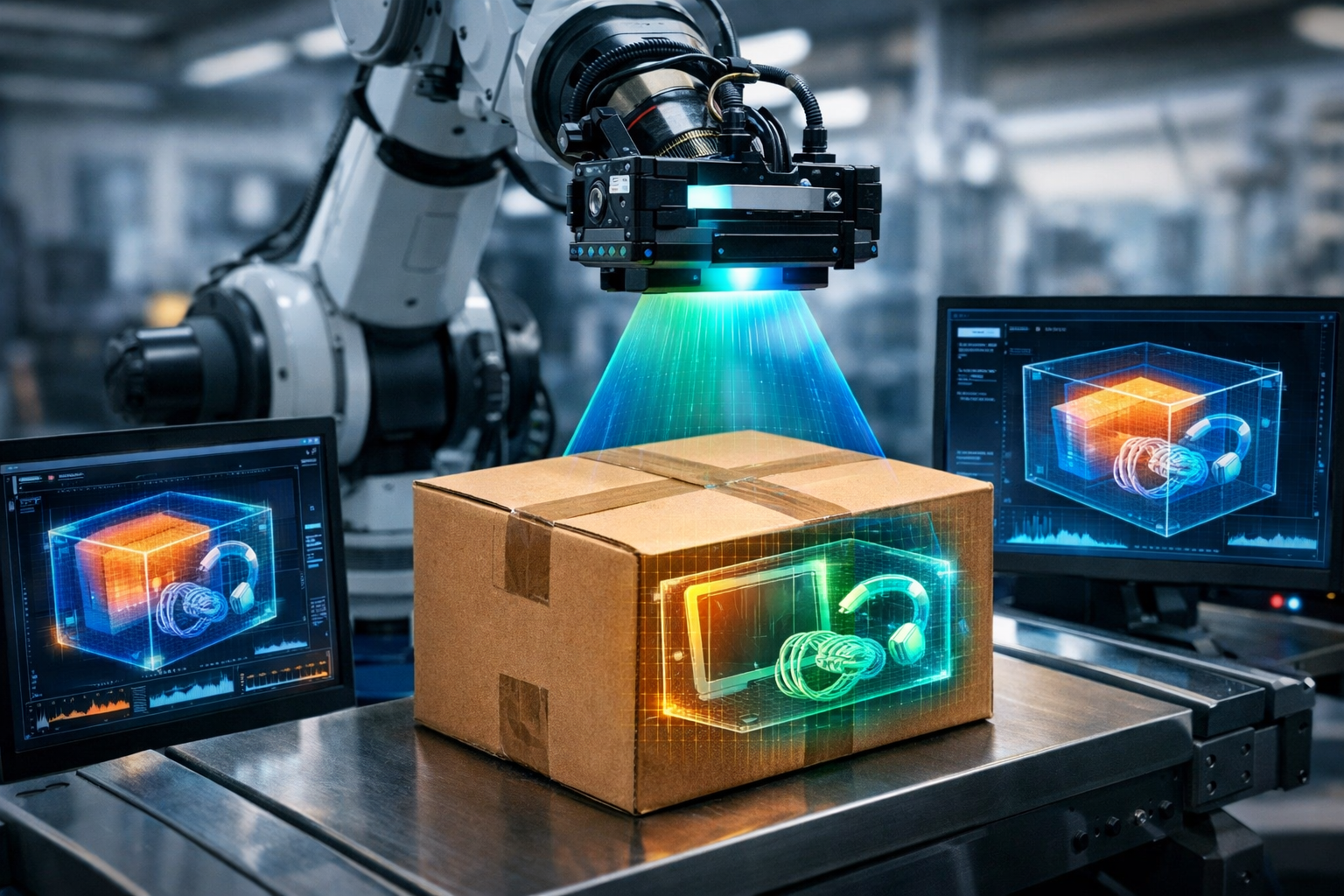
Imagine a world where robots can effortlessly identify the contents of sealed boxes without any need for opening them. This dream is on the brink of becoming a reality, thanks to groundbreaking imaging technology developed at MIT. Utilizing millimeter-wave signals, this innovative system allows robots to see inside packaging materials, providing detailed insights that could transform logistics, retail, and quality control as we know it.
The Mechanics Behind the Technology
The new imaging technology leverages millimeter-wave signals, which possess the ability to penetrate various materials like cardboard. As these signals bounce back from objects inside the package, advanced algorithms analyze the reflections to construct intricate 3D models of the concealed contents. This method outperforms traditional radar techniques, resulting in enhanced accuracy for identifying shapes and detecting discrepancies without the need to unpack boxes.
Benefits for Retail and Logistics
The potential applications for this technology are vast, particularly in the realms of retail and logistics. Retailers often face challenges related to inventory management, including identifying damaged or missing items. By deploying robots equipped with this advanced imaging capability, stores can automate the process of scanning boxes and quickly assess their contents. This enhances operational efficiency and ensures that shelves are stocked with the right products, minimizing customer disappointment.
Reducing Waste and Enhancing Sustainability
Another significant advantage of this technology lies in its potential to reduce waste. Currently, damaged goods or mispacked orders often necessitate the opening of boxes, resulting in unnecessary destruction of packaging materials. With the ability to inspect and assess contents without physical opening, businesses can make more informed decisions about returns and restocking, ultimately leading to a more sustainable practice.
Integration with VenHub's Autonomous Retail Solutions
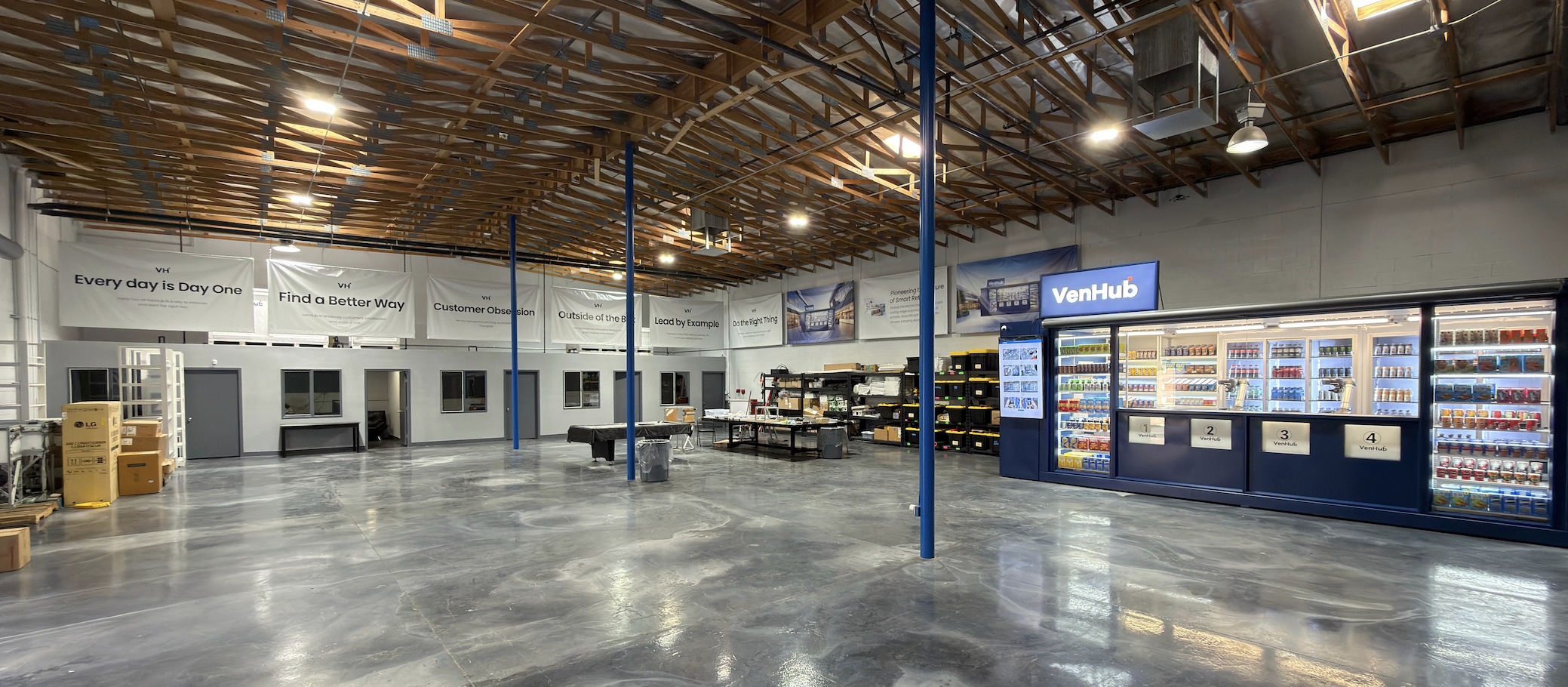
Incorporating this imaging technology aligns seamlessly with VenHub’s vision of modernizing retail via smart automation. VenHub's proprietary Smart Stores are designed to be highly efficient and tech-driven, making them prime candidates for integrating such innovations. Imagine a scenario in which VenHub's autonomous retail stores automatically scan and assess product deliveries using this technology, pinpointing issues before they become larger expenses. As our understanding of robotics and automation evolves, VenHub is well-positioned to leverage these advancements in ways that further streamline operations and enhance customer satisfaction.
Future Prospects and Challenges
While this technology holds immense promise, it's essential to be aware of the potential challenges that lie ahead. The complexity of designing and deploying robots capable of integrating such imaging capabilities effectively remains in the spotlight. Additionally, ensuring that robots utilize this data responsibly and ethically, particularly in safeguarding sensitive information, will be paramount.
Final Thoughts
The integration of millimeter-wave imaging technology signifies an exciting step forward for robotics and automated systems in logistics and retail. As VenHub continuously seeks innovations in the autonomous retail space, advancements like this will significantly enhance efficiency and elevate the shopping experience. By reducing waste and streamlining operations, we can look forward to a more intelligent retail landscape, all thanks to the convergence of cutting-edge technology and robotics.


.png)